Integration Solution for Wireless temperature and humidity monitors with ESD Management Software
The integration of wireless temperature and humidity monitors with ESD (Electrostatic Discharge) management software enables linked monitoring of electrostatic protection environmental parameters and electrostatic events, data fusion analysis, and automated control. It represents a core upgrade direction for modern electrostatic protection systems. Below is a detailed integration solution design:
Data Interoperability: Integrate real-time temperature and humidity data with ESD equipment status (e.g., ion fan operating parameters, ground resistance values) and electrostatic event records (e.g., alarm data from Static Testers) to establish a linked database of environment, equipment, and events.
Intelligent Early Warning: When temperature or humidity exceeds safe thresholds (e.g., RH < 40%), the ESD management software triggers alerts, prompting simultaneous adjustments to environmental parameters and checks on the effectiveness of electrostatic protection equipment.
Closed-Loop Processes: Achieve full-process automation from "environmental anomaly → automatic alarm → equipment adjustment → effectiveness verification → record archiving" through data linkage, reducing manual intervention.
Selection of Wireless Temperature and Humidity Monitors: Devices must support low-power wide-area networks (e.g., LoRa, NB-IoT) or industrial Wi-Fi, with ±0.5℃/±3%RH accuracy, IP65 protection (to adapt to workshop environments), and built-in alarm relays (for direct linkage with humidification/dehumidification equipment). Recommended models: Sensirion SHT35 module-integrated devices, Lascar EL-USB-2-WiFi.
ESD Equipment Data Collection: Connect to ionizing bars (e.g., Simco-Ion IQ series) and ground monitors (e.g., DESCO 19270) via RS485/Modbus protocols to collect parameters such as ion balance, ground resistance, and fan operating status. Data is then uploaded to servers via wireless gateways (e.g., Industrial Gateway 900).
Communication Protocol Adaptation: Use MQTT or OPC UA protocols for real-time data transmission between wireless temperature and humidity monitors and ESD management software, ensuring unified data formatting (e.g., JSON with timestamps, location tags, and parameter values).
Core Modules of ESD Management Software:
Data Dashboard: Visually displays temperature and humidity curves for each area, ESD equipment status (e.g., "normal/faulty" for ion fans), and electrostatic event statistics (e.g., daily over-limit counts), with filtering by workshop/production line.
Linked Rule Engine: Preset logic such as "If RH < 40% for 5 consecutive minutes → automatically activate humidifiers + push ion bar calibration reminders to managers’ phones" or "When static testers detect voltages above 1000V → synchronously retrieve 30-minute temperature and humidity data for that area."
Compliance Report Generation: Automatically integrates temperature and humidity records and ESD equipment inspection data to generate audit reports compliant with ANSI/ESD S20.20 and IEC 61340 standards, including closed-loop records of parameter over-limit events.
Data Collection and Synchronization:
Wireless temperature and humidity monitors upload data every 30 seconds, while ESD equipment uploads status parameters every minute. The software layer matches data via timestamps and location tags (e.g., "Workshop A - Line 2 - Device ID001") and stores it in MySQL or InfluxDB time-series databases.
Anomaly Handling Mechanism:
When temperature or humidity exceeds limits, the ESD software triggers a three-level response: ① Local audible-visual alarms (via workshop alarm devices); ② System pop-ups + SMS notifications to managers; ③ Automatic execution of preset scripts to control environmental equipment (e.g., activating humidifiers).
If an electrostatic event (e.g., chip breakdown) occurs simultaneously, the software automatically links temperature and humidity curves and ESD equipment status from 1 hour before the event to generate an "event traceability report," helping identify whether environmental anomalies caused protection failures.
Permission and Security Design:
Edge computing gateways preprocess local data (filtering noise), cloud transmission uses encryption (TLS 1.3 protocol), and role-based access control (e.g., operators can only view data; administrators configure linkage rules) ensures data security.
Real-Time Control in Electronic Workshops: In PCB assembly areas, when wireless monitoring detects RH dropping to 38%, the ESD software immediately triggers humidification systems and synchronously increases ion output intensity of ionizing bars to prevent static accumulation due to low humidity.
Explosion-Proof Warehouse Management: In chemical raw material warehouses, if temperature/humidity exceeds limits and electrostatic grounding monitoring is abnormal, the system automatically triggers a highest-level alarm, forcing non-explosion-proof equipment to power off and locking warehouse entrances until parameters return to normal.
Remote Operation and Maintenance: Through a cloud-based ESD management platform, headquarters can monitor temperature, humidity, and electrostatic protection status of branch factories in real time, uniformly calibrate threshold parameters, and reduce cross-regional management discrepancies.


 English
 Español
 Portugues
 Pусский
 Français
 Deutsch
 日本語
日本語 한국어
한국어 العربية
 Italiano
 Nederlands
 Polski
 ไทย
ไทย Türk dili
 हिन्दी
 Indonesia
 Tiếng Việt
 বাংলা
বাংলা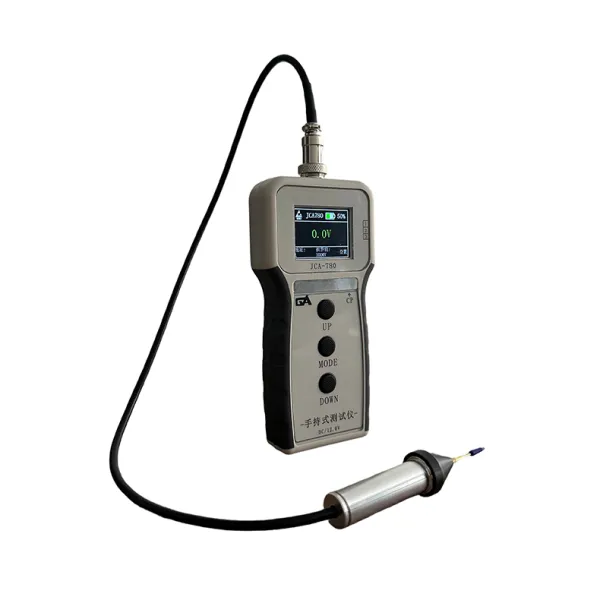 Portable Compact Isolated Conductor Tester - Precise Static Voltage Meter with Touchscreen Operation
 Touch-Operated Handheld ESD Tester - Accurate Static Detection Instrument
 Anti-Static High-Frequency Smart Soldering Station - Industrial-Grade Lead-Free Soldering Iron for Electronic Repair
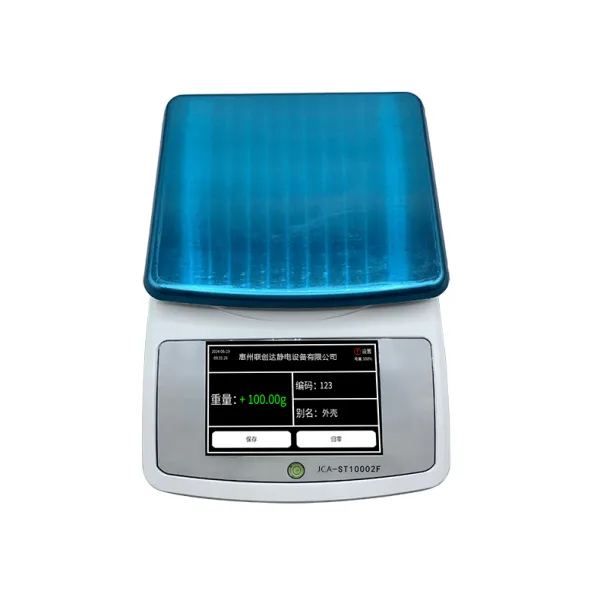 Lightweight Precision Industrial Scale - Portable High-Precision Weighing, QR Code Data Recording
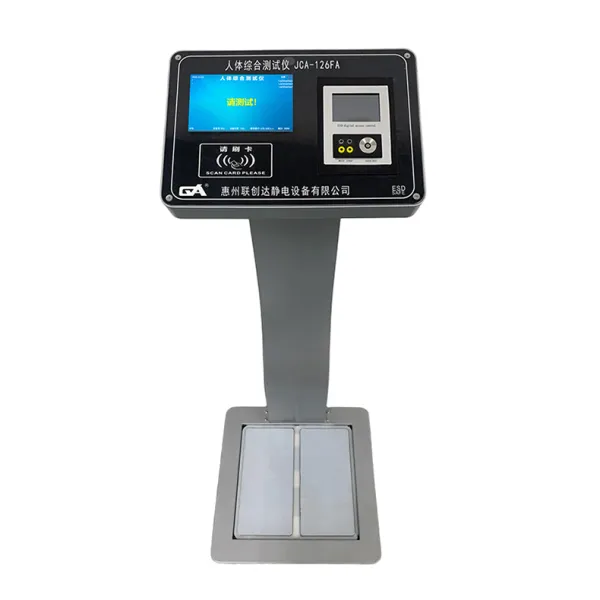 Pro ESD Human Body Comprehensive Tester - Anti-Static Access Gate with Biometric & Card Recognition
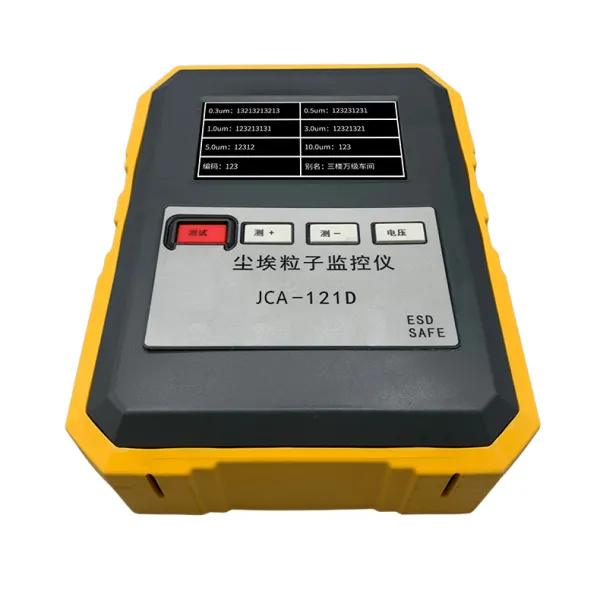 Lianchuangda Portable Particle Counter - Cleanroom-Specific Air Cleanliness Tester
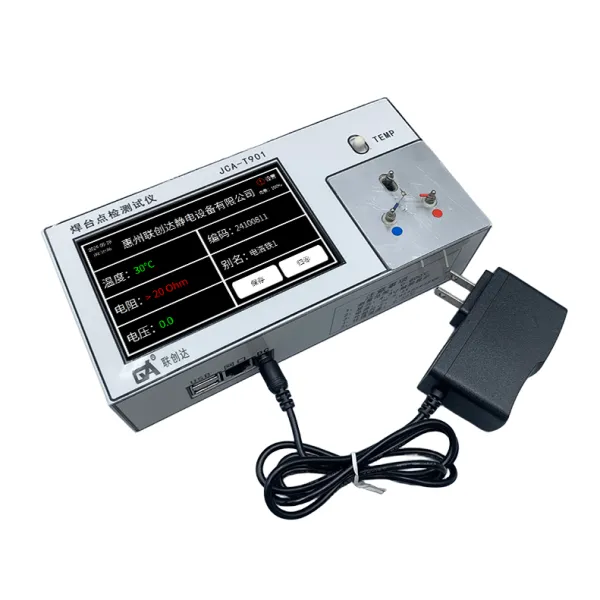 Lianchuangda Environmental Pressure Tester Wireless Digital Display & Grounding Monitoring
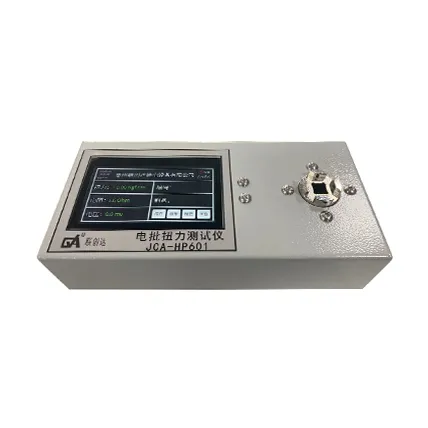 Digital Electric Screwdriver Torque Tester - Precise Measurement, Smart Data Storage
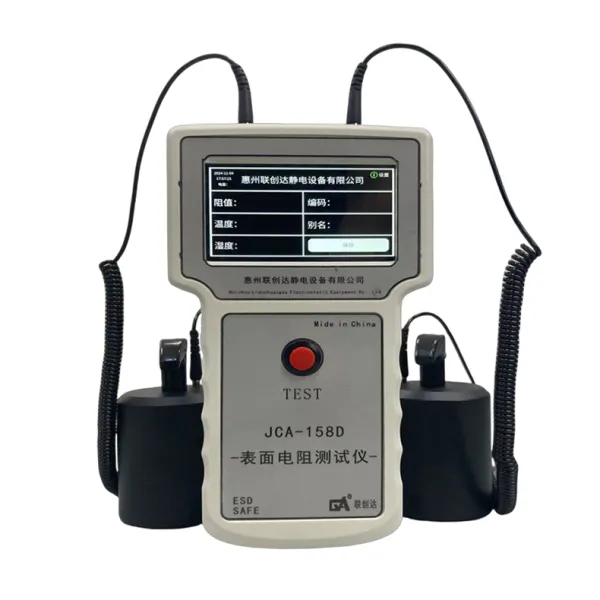 Portable Hammer Surface Resistance Tester - Smart Industrial Megohmmeter with Data Networking
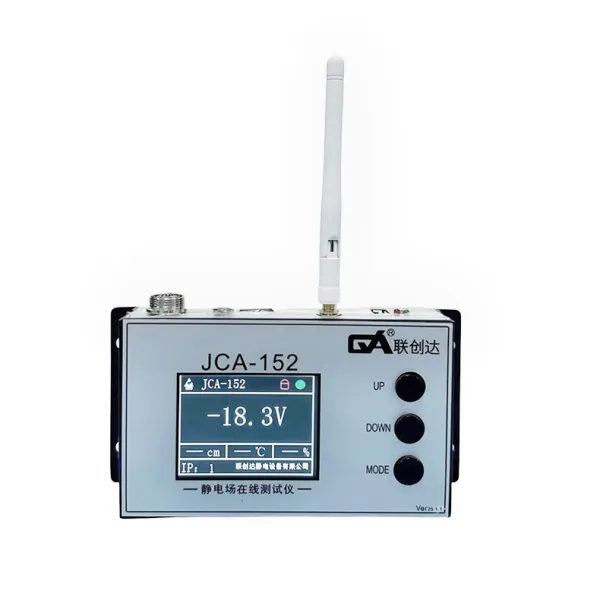 Wireless ESD Field Tester - Real-Time Voltage Monitoring, Easy Installation & Visual Operation
 Color Screen Wireless Ion Fan Static Tester with Voltage Measurement & Data Transmissio
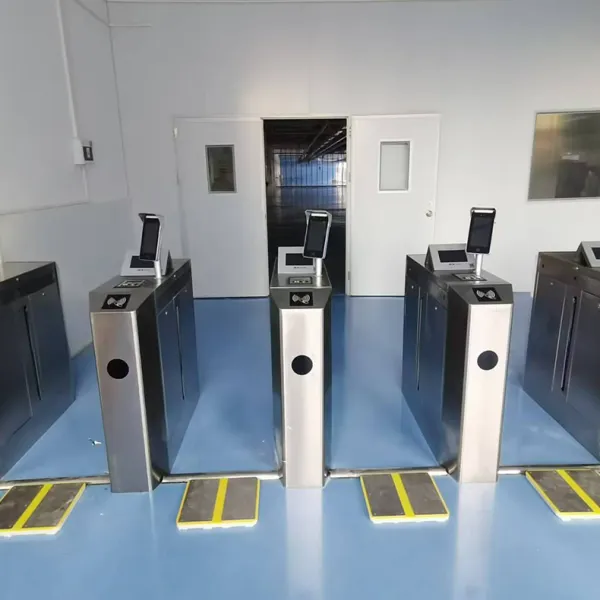 Lianchuangda Test Anti-static Access Control Turnstile JCA-S106 Supports MySQL Database
 Suspended 3-Head DC Ion Fan - Smart Quiet Static Eliminator, Customizable
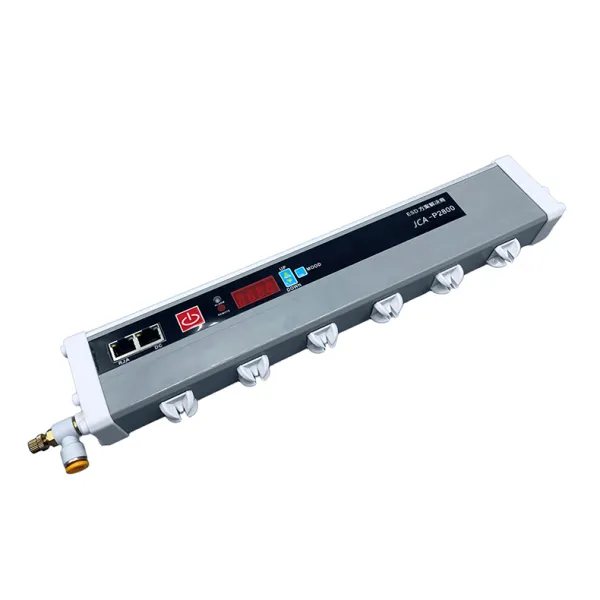 Pulse-Type ESD Ion Air Bar - Industrial-Specific Static Eliminator for ESD Removal
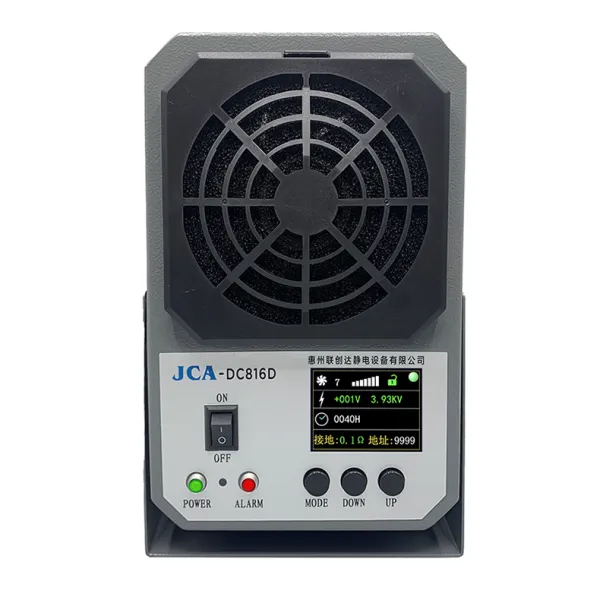 Lianchuangda Smart DC Ion Fan - Industrial-Grade Static Elimination for Factory Workshops
 Desktop DC Single-Head Ion Fan - Professional Static Eliminator with Wireless Network Connectivity
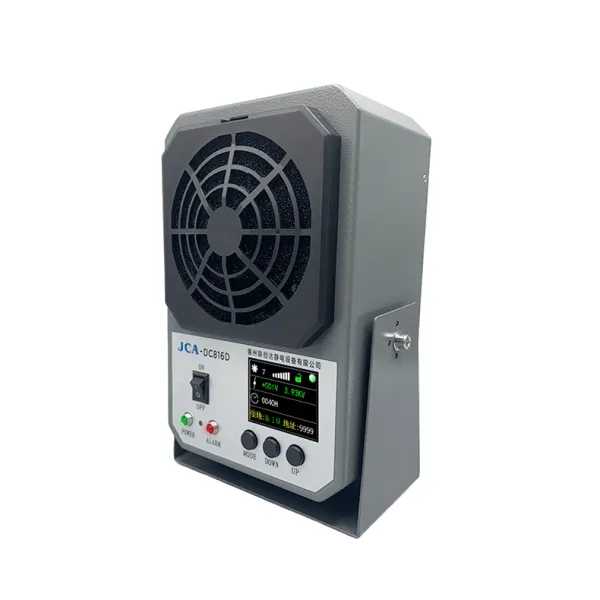 Intelligent DC Ion Fan Manufacturer Workshop Electronic Anti-Static Industrial-Grade Static Elimination Equipment
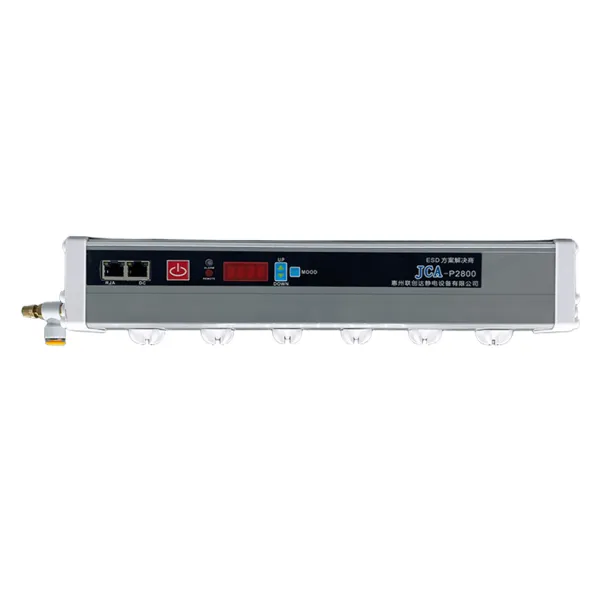 Industrial Static Elimination Pulse-type Anti-static Ion Air Bar Static Eliminator
 2.2-inch color screen three-air outlet ion fan static protection eliminates static electricity
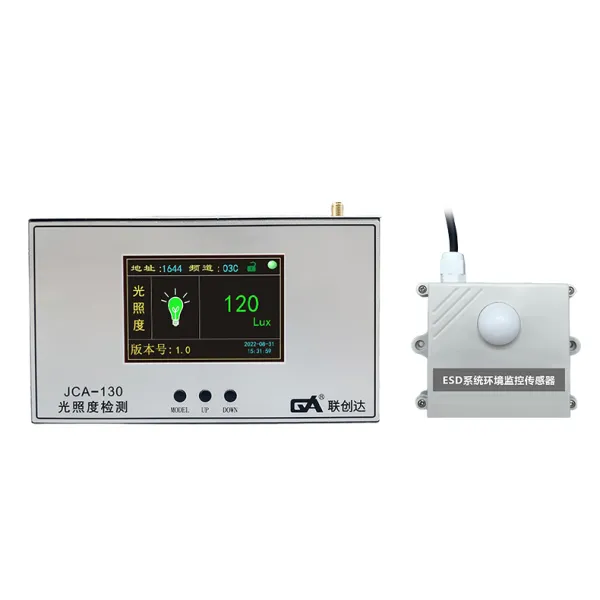 3.5 Inch Color LCD Wireless Digital Lux Meter - High-Precision Environmental Detector with Network Connectivity
 Smart Wireless Noise Detection Alarm System - Digital Tester for Environmental Monitoring with Networking
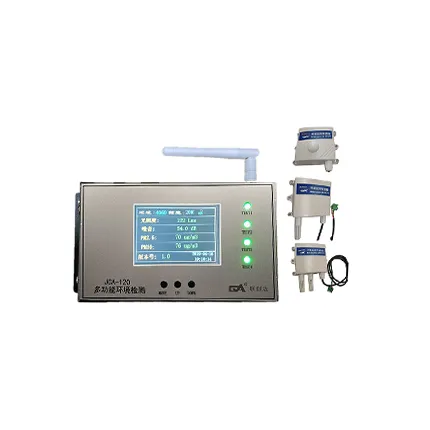 3.5 Inch Color LCD Wireless Multi-Functional Environmental Detector - Dust Particle Tester with WiFi Connectivity
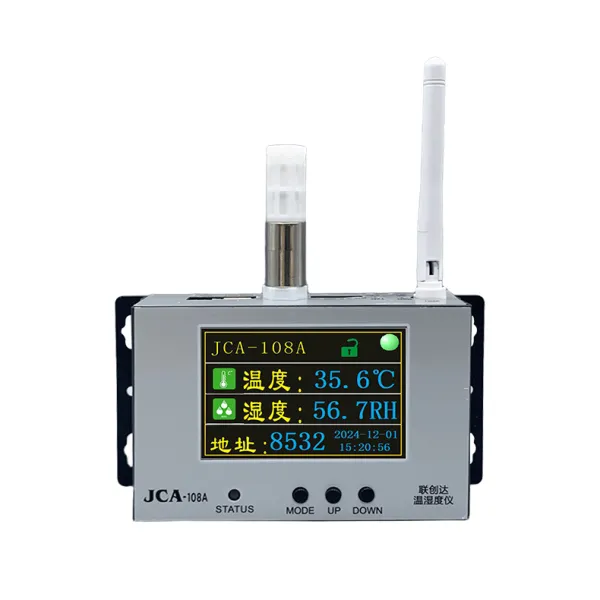 Wireless Temperature & Humidity Monitor - Smart Recorder with Remote Query & Data Transmission
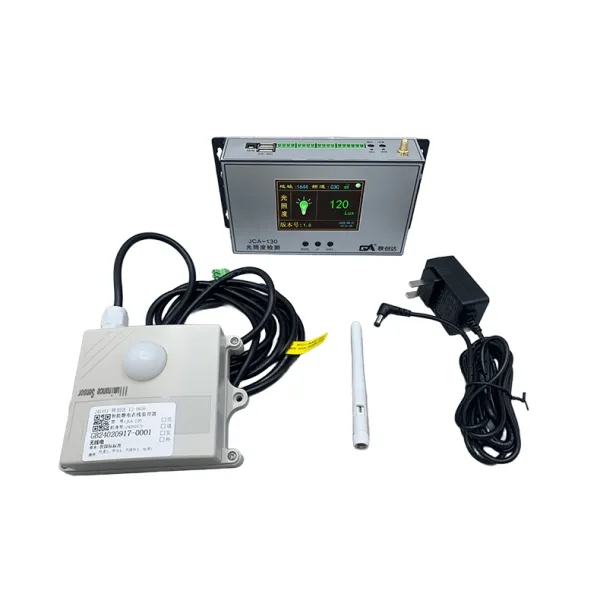 Lianchuangda Wireless Digital Display Illuminance Tester - 3.5-inch LCD Color Screen Dynamic Display High-Precision Environmental Tester



 Whatsapp
 telefon
Komen
(0)