


 English
 Español
 Portugues
 Pусский
 Français
 Deutsch
 日本語
日本語 한국어
한국어 العربية
 Italiano
 Nederlands
 Polski
 ไทย
ไทย Türk dili
 हिन्दी
 Indonesia
 Tiếng Việt
 বাংলা
বাংলা




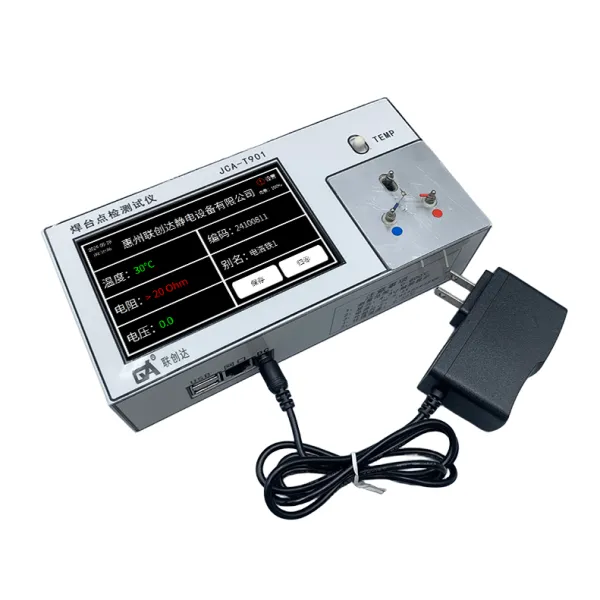
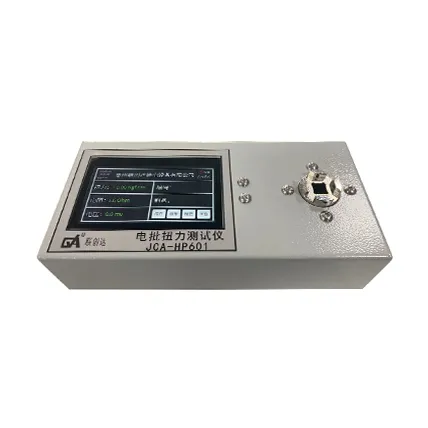
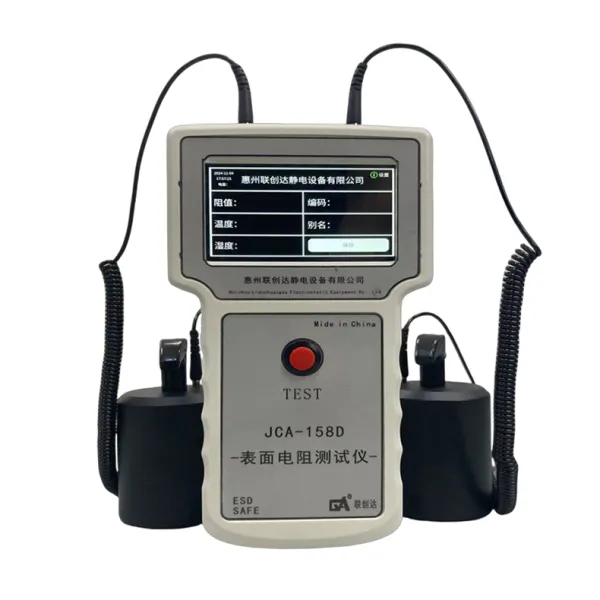
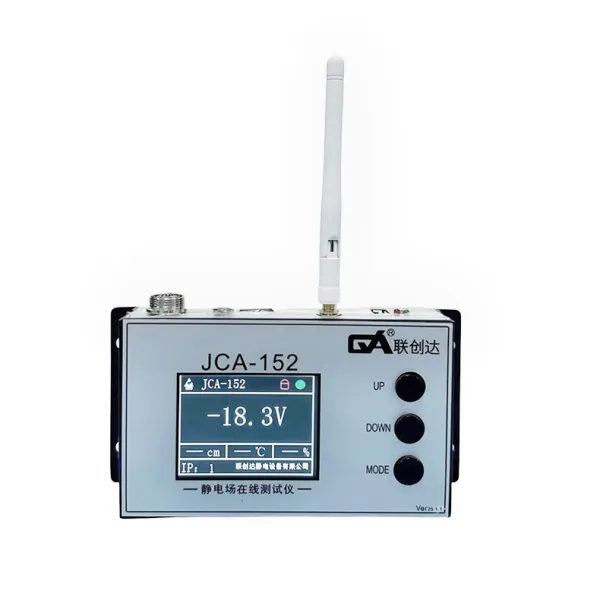







Torque Tester
Torque Tester: An Overview A torque tester is a precision instrument designed to measure the rotational force (torque) applied to fasteners, caps, closures, and other components in various industries, including manufacturing, automotive, pharmaceuticals, and packaging. It ensures that products meet specified torque requirements, maintaining quality, safety, and functionality. Key Features and Functionality 1. Measurement Range: Torque testers are available in different capacities, from small-scale applications (e.g., medical devices) to heavy-duty industrial use (e.g., automotive bolts). 2. Accuracy and Resolution: High-precision sensors provide accurate readings, often with resolutions as fine as 0.1% of full scale. 3. Units of Measurement: Supports multiple units (N·m, lb·in, kg·cm, etc.) for global compatibility. 4. Modes of Operation: - Peak Mode: Captures the maximum torque applied during tightening or loosening. - Track Mode: Monitors torque in real-time for continuous testing. - Angle Measurement: Some models measure rotation angle alongside torque for advanced analysis. 5. User Interface: Modern testers feature digital displays, touchscreens, and intuitive software for easy operation and data logging. Applications - Packaging: Ensures bottle caps and lids are sealed with the correct torque to prevent leaks or over-tightening. - Automotive: Verifies proper torque on bolts, nuts, and engine components to ensure safety and performance. - Medical Devices: Confirms precise torque for surgical instruments and disposable products. - Electronics: Tests screws in devices to avoid damage from excessive force. Types of Torque Testers 1. Manual Torque Testers: Hand-operated tools for quick checks, often portable and cost-effective. 2. Digital Torque Testers: Provide digital readouts, data storage, and connectivity (USB, Bluetooth) for quality control documentation. 3. Automated Torque Testers: Integrated into production lines for high-speed, repeatable testing with minimal human intervention. Benefits - Quality Assurance: Ensures consistency in product assembly. - Regulatory Compliance: Helps meet industry standards (ISO, ASTM, FDA). - Preventive Maintenance: Identifies tool calibration issues before defects occur. Conclusion Torque testers are indispensable for maintaining product integrity across industries. Their precision, versatility, and ease of use make them essential for quality control, reducing waste, and enhancing customer satisfaction. Whether manual or automated, these devices play a critical role in ensuring reliable and safe products.
Produk
Kategori:
Tiada hasil carian!
Berita
Kategori:
Tiada hasil carian!
Kes
Kategori:
Tiada hasil carian!
Video
Kategori:
Tiada hasil carian!
Muat turun
Kategori:
Tiada hasil carian!
Pengambilan
Kategori:
Tiada hasil carian!
Produk yang disyorkan
Tiada hasil carian!



 Whatsapp
 telefon